Think you can’t learn to sing as an adult? Discover why it’s not too late and why your unique voice is worth developing at any age.
If you’d asked me when I was 25, I’d have rattled off a list of things I couldn’t do.
For example:
- I couldn’t dance.
- I wasn’t athletic.
- I wasn’t good with computers.
But over time, I started to wonder: What if that wasn’t true? With sweaty palms and a racing heart, I began saying ‘yes’ to things that scared me—and discovered I could do far more than I thought.
- I was cast in CATS, one of the most dance-heavy musicals out there, and performed it 400 times on a national tour the year I turned 30.
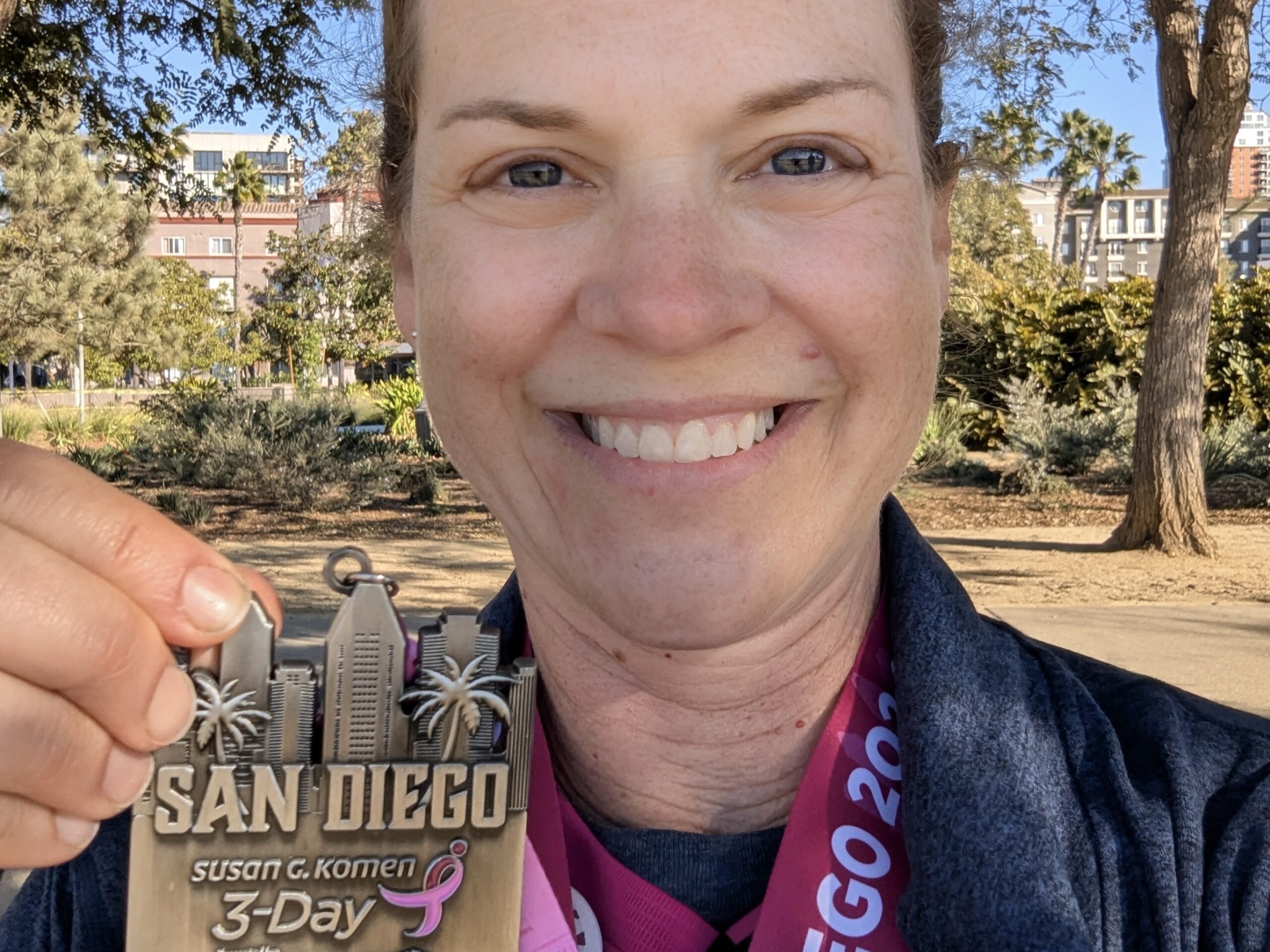
- I ran a marathon at 40, tackled a Spartan race at 45, and walked 60 miles to celebrate 10 years cancer-free at 47.
- In my forties, I also learned to code my own websites and built a TikTok community of 60,000.
What do these things have in common? None came naturally, but all were learnable. And I learned them as a grown adult who truly believed her abilities were already set.
So, what about you? Still think we old dogs can’t learn new tricks?
Think again.
I’ve tackled plenty of “impossible” things in adulthood, and if singing feels like your version of “impossible,” this post is for you. I’m going to break down why singing is a learnable skill (yes, even for you), and how I help adults discover their voices—sometimes for the very first time.
Singing is a skill, not a talent lottery
First, I need to dispel a myth. Singing is not some magical gift bestowed upon a lucky few, but a learnable skill. Sadly, many singers come to me in middle age having believed for decades that they “couldn’t sing”. Often, this pronouncement came in childhood from some adult whose opinion mattered to them—a parent, music teacher, or choir director.
These adults believed erroneously that singing is a gift bestowed at birth—something you either have or you don’t. They didn’t know what to do with a singer who didn’t instinctively know how to use their instrument, and so they cruelly silenced that voice.
I know from more than 25 years of working with these singers, that EVERYONE can sing. Singing is a complex coordination between your brain, ears, breathing apparatus, and larynx. Some people manage this complex coordination instinctively. Most need at least a bit of guidance. In all my years of teaching, I have yet to meet anyone who didn’t become more skilled with gentle instruction and dedicated practice.
You don’t have to start young
Our culture loves the idea of the child prodigy—that kid who was just born with talent. The trouble is, even most of these amazing young people are not merely gifted. They work really, really hard and spend many, many hours honing their skills.
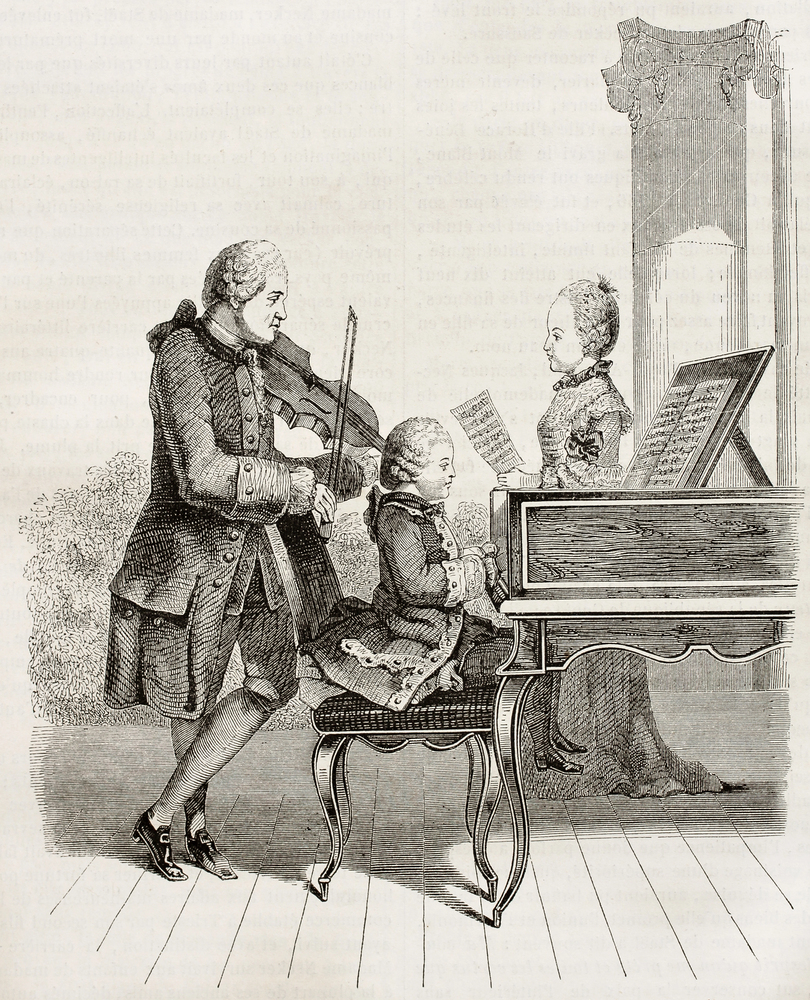
Wolfgang Amadeus Mozart is a famous example of a child prodigy. He began composing music at age five, was already a skilled performer on the keyboard and violin by age six, and when he died at age 33, had already composed some of the greatest works in Western music. Naturally gifted? Absolutely. But he was also born into a family of musicians (including a strict father), began playing piano at age 3, and practiced until his hands were deformed.
So, are you out of luck because you didn’t start singing 40 years ago? Absolutely not. You will take advantage of the wonderful neuroplasticity of your brain to learn a new skill. You’ll learn how to use your ear to recognize and name sounds in your head before you sing them and to sing them with confidence. You’ll train the muscles in your torso, head, and larynx to respond to the commands you give them.
Will all of this happen overnight? No. But it didn’t happen overnight for Mozart either.
Adults Make Great Voice Students
I adore the few special kiddos that I teach, but as a general rule, I prefer working with adults. Here’s why:
- Adults are often more motivated and intentional. They are taking lessons because they want to be there—not because a parent wants them to try singing or because they need an extracurricular activity.
- They typically have a clear goal in mind—to sing “Happy Birthday” for a loved one, prepare a great song for karaoke night, or audition for a community theatre production—but they also understand the value of doing something just because you love it.
- Adults are able to bring emotional depth and life experience to their singing. Singers are storytellers after all, and we have much more interesting stories to share as life goes on.
That combination of purpose, passion, and lived experience makes working with adult singers deeply rewarding—and incredibly inspiring.
Here’s how I teach a “non-singing” adult to sing
Often, my first lesson with a “non-singing” adult is just about giving the singer the encouragement to open their mouth (literally and figuratively). After decades of believing they couldn’t do something, it feels tremendously vulnerable to just make a sound. (And we often need to physically open our mouths wider than we do for speaking in order to sing well.)
Once our mouths are open, we can systematically delve into all that helps us sing well: learning the language of music, training the ear, tackling the physical exercises that will strengthen and coordinate their instrument, and creating an unshakably confident mindset.
And little by little, with gentle instruction and encouragement from me and lots of self-compassion and daily bits of practice from the singer, we uncover together the natural talent that was there all along.
Success stories
In the past year alone I’ve worked with:
- Jill, who started as a “non-singer” and within months sang “Amazing Grace” at her mother’s celebration of life.
- Shari, who’d always been told she “didn’t have much of a voice”, but is now beautifully and confidently singing the opera arias she loves.
- Alfonso, who’d struggled with pitch accuracy despite years of piano and guitar lessons and is now confidently sight-reading new music and singing his favorite Beatles and Frank Sinatra songs.
In my studio, starting from scratch is normal, and where you end up is up to you. You choose your goals and select the music you’d like to sing. I craft a plan to help you meet your goals and am your biggest cheerleader as you work to get there.
Your Voice Matters
Your voice is like a fingerprint—utterly unique and entirely yours. No one has ever had, or ever will have, a voice exactly like it. The world needs you to share it. And singing? It’s part of our birthright. It connects us, heals us, and reminds us we’re human.
At age 25, I thought I knew exactly what I could and couldn’t do. Now, as I approach age 50, I know my “natural talents” were just the beginning.
Do you suspect you’re capable of more?
It’s never too late. Your voice matters–and the world needs it.
Ready to find out what’s possible? Click below to book your Get Acquainted Session—I’d love to meet you.
Book Your Get Acquainted Session Now