
Wondering how to practice singing while on vacation? Learn creative, low-pressure ways to keep your voice active, even without instruments or a practice space.
Just as I encourage my students to do, I set daily goals for my own vocal and piano practice—because staying connected to my voice is part of how I care for myself. This week, I’m visiting family at the Jersey Shore, and while I don’t have my usual setup, I’m still showing up for my practice in small, meaningful ways.
If you’ve got summer travel planned, you don’t have to pause your progress. Here’s how you can keep your voice active and your momentum going—wherever the season takes you.Embrace Flexibility, Not Perfection, While on Vacation
Your first step when making your practice plan might be to reframe your goals. Your number one goal? To stay in maintenance mode. You want to sing a little bit daily to ensure that your vocal muscles keep their strength and flexibility.
Just as the muscles in your arms and legs will start to look flabby if you skip your morning strength training session too often, your vocal muscles can start to atrophy if not used for long periods of time. As a result, your singing will start to degrade. This is why you’ll want to sing SOMETHING as close to daily as possible.
What to sing when you’re on vacation
I often tell my students that there are multiple components to a practice session:
- The warm-up: this is time spent waking up your instrument—“getting the blood flowing” so to speak. This might involve stretches, hums, sirens, lips trills, or easy scales in your comfortable range
- Technique work: Once you’ve done the warm up, you’ve undoubtedly noticed some areas that need more attention. Or you might remember your teacher recommending you focus on a particular skill. This could be anything from increasing flexibility, to strengthening your chest voice, to singing a glorious high ‘C’. During the technique portion of your practice, you’re doing targeted exercises designed to elicit a particular response to build the singing skills you need to be successful in your repertoire.
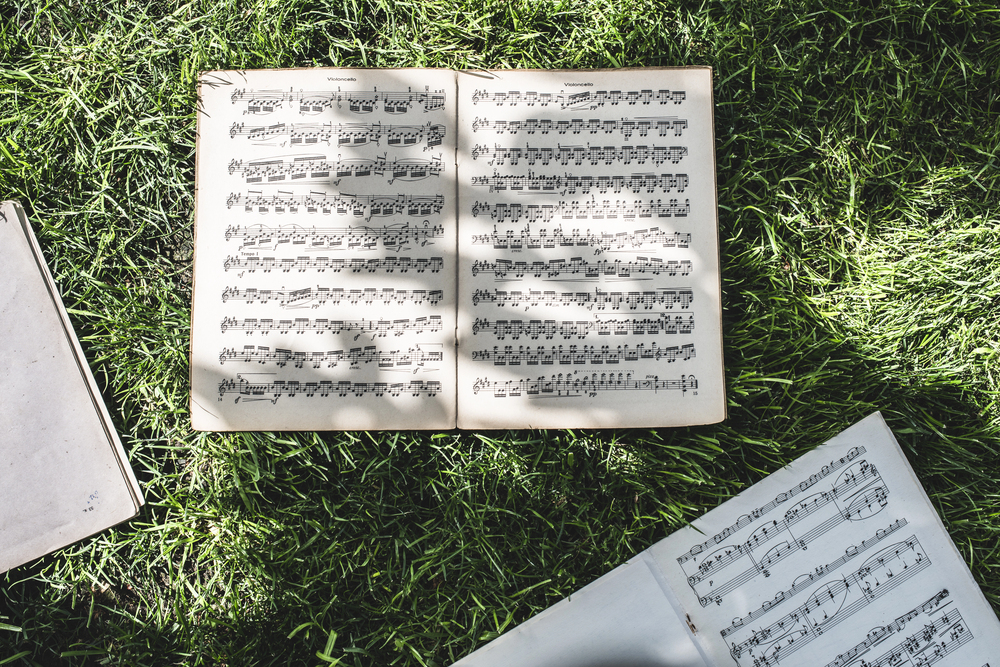
- Repertoire study: This is all the work necessary to make a song your own—learning the notes, rhythms, and musical markings, giving thought to the character who is singing and what she’s trying to say, putting the vocal line with the accompaniment, etc.
While on vacation, I typically focus on components 1 and 3. A short daily warm-up keeps my voice in shape without requiring oodles of time or making too much noise, and quiet study of scores and recordings ensures that I will have more to bring to my performance when I’m singing full out again.
Where to Sing Full-Out
Typically, the biggest challenge with practicing while on vacation is finding a great spot to practice. Singing can be LOUD, and we don’t want to disturb others trying to relax and enjoy their vacation time.
Before I suggest some creative practice spots, I want to urge you to actually ASK your family/friends/neighbors/hosts if your singing for a few minutes a day would be a problem. We often assume that we’d annoy others when in fact they could have any number of reactions, from not noticing at all to being grateful for a free concert! It might save you a lot of anxiety to simply say, “I’m a singer and I typically practice for ‘x’ minutes each day. Is there a time of day when I could practice without disturbing you?”
While on vacation, you’ll want to use any solo time you have creatively. If everyone’s left you alone in the AirBnB, definitely take advantage of that time. I also love taking advantage of those deserted spaces you sometimes find while out exploring—an empty beach or remote forest or walking trail.

Alternatively, really crowded and noisy places like subway platforms or city streets can be a great place to pop off a lip trill or nine-note scale. I guarantee that especially in a big city like New York, you will not be the craziest thing people see that day (if they notice you at all).
Cars can make excellent practice spots. I especially like to park at the far end of the parking lot away from other vehicles for privacy.
Finally, you might reach out to local churches or community schools at your destination. These spaces often have practice rooms available for a small fee.
Sound Reduction Tools and Quiet(er) Exercises
If you are truly stressed about singing full out, remember that there are options to dampen your sound. You might go low-tech and sing into a towel or a pillow. Although I don’t use it personally, many singers love vocal dampeners like this one.
Oh, and while we’re talking about tools, you’ll want to be sure that you have an option for giving yourself pitches. I love Perfect Piano, a digital piano app available both on iOS and Android. If you’ll be working with sheet music, ForScore is an excellent app for organizing and annotating it.
This is a great time to use semi-occluded vocal tract exercises such as lip trills, hums, and straw work. These are not only quiet, but they create gentle back pressure to help your vocal folds vibrate more efficiently, reduce strain, and improve tone quality. (Win-win!) Marking (singing quietly through your repertoire) is, of course, also an option.
What to Do When You Can’t Sing
Ok, what do you do when you’ve explored all the options above and decided that you truly can’t sing? Here’s how you can still grow:
-
-
- Try some breathing exercises
- Watch recordings of your previous lessons
- Study music theory or solfege
- Delve into your songs, translating foreign texts, analyzing lyrics, or working on your dramatic interpretation
- Make a playlist of songs to learn next
- Tackle some tongue twisters
- Study your sheet music—do you REALLY know all the notes, rhythms, and interpretive markings?
- Learn performance practice for your piece by listening to a gajillion recordings or studying as many youtube videos as you can find.
-
How to Create Your Vacation Singing Plan
Most worthwhile endeavors benefits from making a great plan. Here are some guidelines for singing while on vacation:-
-
- Set a light, flexible time goal (e.g., 10 mins/day)
- Set a few doable outcome goals (memorize your lyrics, choose a new song, etc.)
- Create a daily checklist.
- Schedule practice time on the calendar. When you’re away from your routine, it’s even harder to remember to practice than it is at home.
- Celebrate small wins—even a bit of humming helps keep you in shape!
-
Singing Progress Can Look Different on Vacation
If you, like me, are trading your practice room for a sandy beach this summer, remember that perfectionism is the enemy in our study of singing. All-or-nothing thinking will not serve you here. Your goal is simply to stay connected to your singing self so that you don’t lose too much ground. Months or years of practice won’t vanish with a few days away.
In fact, time spent resting, reflecting, and soaking up new experiences can deepen your artistry. Your body is your instrument, and it needs rest and rejuvenation as much as it needs diligent practice. Your voice carries your stories—so go out, breathe in the ocean air, and live a little more life. I’ll be practicing what I preach and doing the same! Want a spot on my calendar when I’m back in the studio? Click below to book your Get Acquainted Session—I’d love to meet you. Book Your Get Acquainted Session Now